Class comparison, not an official ranking
Mistfall Hunter Tier List: Best Classes for Solo and Trios
A role-fit tier list for choosing a Mistfall Hunter class in solo and trio runs. It separates repeatable jobs from unverified damage claims.
Updated August 19, 2026 · public class and mode evidence checked
Short answer: Seeker is the most forgiving default for solo extraction because information, repositioning, and exit timing matter more when nobody can rescue a mistake. Warden is the strongest trio foundation because a stable team can turn a bad contact into a recoverable run. Vanguard is a reliable learning choice, while Arcanist rises when the group can create clean burst windows. These are editorial role-fit placements, not official tiers or hidden damage data.
Updated August 19, 2026 · public class and mode evidence checked
Decision
| Decision | Solo lean | Trio lean | Reason |
|---|---|---|---|
| Default | Seeker | Warden + Seeker | Information and recovery cover the most common mistakes. |
| Learning | Vanguard | Warden | Clear frontline jobs are easier to read while learning routes. |
| Boss pressure | Arcanist with an exit plan | Arcanist + Warden | Burst is valuable only when the team can protect the reset. |
| Important caveat | No universal S tier | No official numerical tier list | A class moves with the job, map knowledge, and risk tolerance. |
Quick verdict: use this as a role-fit tier list
The phrase Mistfall Hunter tier list sounds like it should produce one permanent winner. That is the wrong mental model for an extraction game. A class can be excellent when the team needs information and awkward when the same player is expected to hold a doorway, carry loot, or recover a disconnected teammate. This guide ranks how reliably each class can complete a stated job, not how impressive a private damage spreadsheet might look.
The ranking starts with two questions: are you playing alone or in a trio, and what must the run accomplish before it is worth extracting? Solo players pay more for a missed reset because there is no teammate to cover the retreat. Trios pay more for duplicated jobs because three strong damage ideas can still leave nobody responsible for scouting or stabilizing the exit. Use the class overview and build patterns as the next step after choosing a row.
Open the Mistfall Hunter class overviewReview practical build patterns
- S tier means the class solves the mode's most important job with fewer assumptions, not that it wins every fight.
- A tier means the class is dependable with a clear team plan and becomes excellent in the right hands.
- B tier means the class can work, but the run must compensate for a sharper weakness such as recovery, cooldown timing, or solo tempo.
Mistfall Hunter class tier list for solo and trios
The table below is the page's main answer. It uses the class identities already documented by this site: Vanguard for frontline control, Seeker for reconnaissance and mobility, Arcanist for burst windows, and Warden for team stability. The placements are deliberately about role reliability. They should not be read as official balance tiers, exact weapon rankings, or a promise that one class has the highest damage in every patch.
For a new player, start with the highest row that matches the job you actually want to perform. A solo player who enjoys careful scouting should not switch to a frontline class merely because a clip shows a large hit. A trio should also avoid three copies of the same answer. The best trio tier list is often a combination: one information source, one stabilizer, and one pressure slot.
| Class | Solo tier | Trio tier | Best job | Main watch-out |
|---|---|---|---|---|
| Seeker | S | A | Scout, reposition, and choose the exit | Information is wasted if every contact becomes a fight. |
| Warden | A | S | Stabilize the party and protect recovery | Solo tempo can feel slower when there is no team to support. |
| Vanguard | A | A | Hold space and make entries readable | Frontline confidence can turn into an unrecoverable chase. |
| Arcanist | B | A | Create planned burst windows | Cooldown timing and retreat discipline matter more than a big opening hit. |
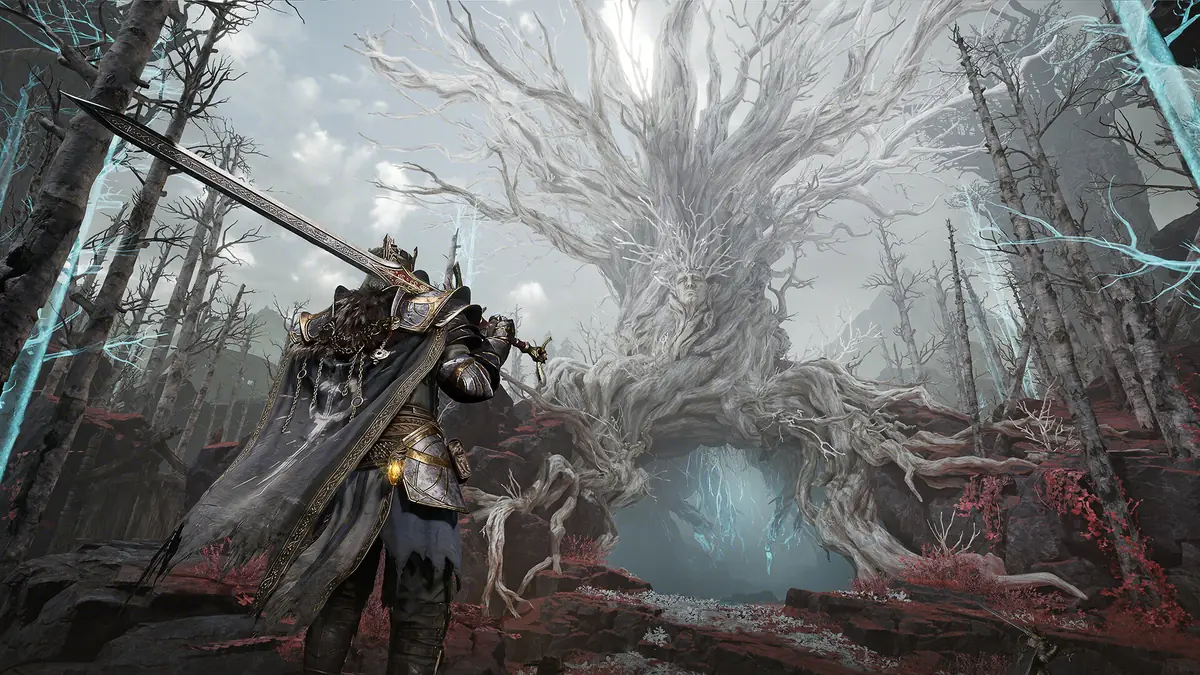
Why each class moves between tiers
Seeker earns the S solo placement because a solo run needs information before it needs ambition. Seeing a contact early, changing position before a room closes, and knowing when to leave protect the entire run. In a trio, Seeker remains an A because the party can supply some of that safety itself; the class is still excellent, but its value depends on someone acting on the information instead of splitting away.
Warden is the reverse pattern. Recovery, protection, and a stable response make Warden the S trio foundation, especially when players have different confidence levels. A solo player can still use that stability, but the role may give up tempo that a careful Seeker uses to avoid the fight entirely. This is why the same class can be S in one column and A in another without the table contradicting itself.
Vanguard is the easiest class to understand in a mixed group: someone takes the first readable space, limits the angle of the fight, and creates a boundary for the retreat. That clarity earns A in both modes. Arcanist is more conditional. Its A trio placement assumes a partner can hold attention long enough for the burst window and help reset afterward; in solo, that dependency makes B the more honest default until the player has a repeatable escape route.
See the extraction and retreat guide
- Seeker: choose information and repositioning when the cost of a surprise contact is high.
- Warden: choose recovery and team stability when the party is learning routes or making frequent small mistakes.
- Vanguard: choose readable space control when the run needs a clear first contact and a safe boundary.
- Arcanist: choose burst when cooldown timing is known and the group has a plan for the moment after the burst.
Best class by player and run type
For the best solo class, begin with Seeker if your goal is to learn the map, take measured fights, and leave with a repeatable haul. Choose Vanguard instead when you prefer direct space control and can recognize the point where a winning trade becomes a chase. Arcanist can be rewarding for boss pressure, but it should start with a conservative risk setting because the class cannot rely on a teammate to protect its cooldown recovery.
For the best trio class, Warden is the safest first anchor, not because it automatically wins, but because it gives the party a shared answer when a run becomes messy. Pair Seeker with Warden when information and recovery are both missing. Add Vanguard when the group needs a clear front line. Add Arcanist when the party can call a target, hold the space, and disengage after the burst instead of treating every opening as permission to continue.
For beginners, the best class is the one whose failure is easy to diagnose. If you die while scouting, you can adjust distance and exit timing. If you die because three players all chased the same reward, the fix is a team job split rather than a new tier. Record class, objective, death cause, and extraction result for five runs before changing the whole plan.
Plan roles for a mixed-platform party
- Solo learner: Seeker first, Vanguard if you prefer direct space control.
- Trio learner: Warden first, then add Seeker or Vanguard to cover the missing job.
- Boss-focused player: Arcanist only after the reset route is clear; otherwise use the safer class and learn the room.
- Mixed-platform party: rank communication clarity above theoretical burst because delayed calls change the practical tier.
Turn a tier placement into a practical loadout
A tier list is useful only when it changes the next run. Do not copy a class label and then keep the same risk, weapon preference, and exit rule. Translate the placement into one job, one failure condition, and one recovery action. That keeps the page useful even when a future patch changes exact values that this guide does not claim to know.
The planner on the home page can turn that decision into a compact loadout direction. Use it after choosing the class identity here: the tier list answers which job is easiest to support, while the planner helps choose risk, weapon style, and extraction emphasis. The loadout planner guide explains the same sequence for players who want a slower checklist.
Use the loadout planner guideOpen the Mistfall Hunter loadout planner
- Write the run job in one sentence: scout, stabilize, hold space, or create a planned burst.
- Choose a risk level that leaves one recovery option instead of spending every resource on damage.
- Set an exit rule before the first valuable contact, such as leaving after a key objective or a major resource loss.
- After the run, change one variable only so the result teaches you something about the class.
What this Mistfall Hunter tier list does not prove
The official Steam listing and official Mistfall Hunter site establish the game's public identity, platform context, and extraction-oriented framing. They do not publish a universal class tier list, private damage table, guaranteed solo winner, or permanent trio composition. This page therefore separates source-backed facts from editorial judgement. The class names and role descriptions are the site's planning model; the S/A/B labels are a practical comparison aid.
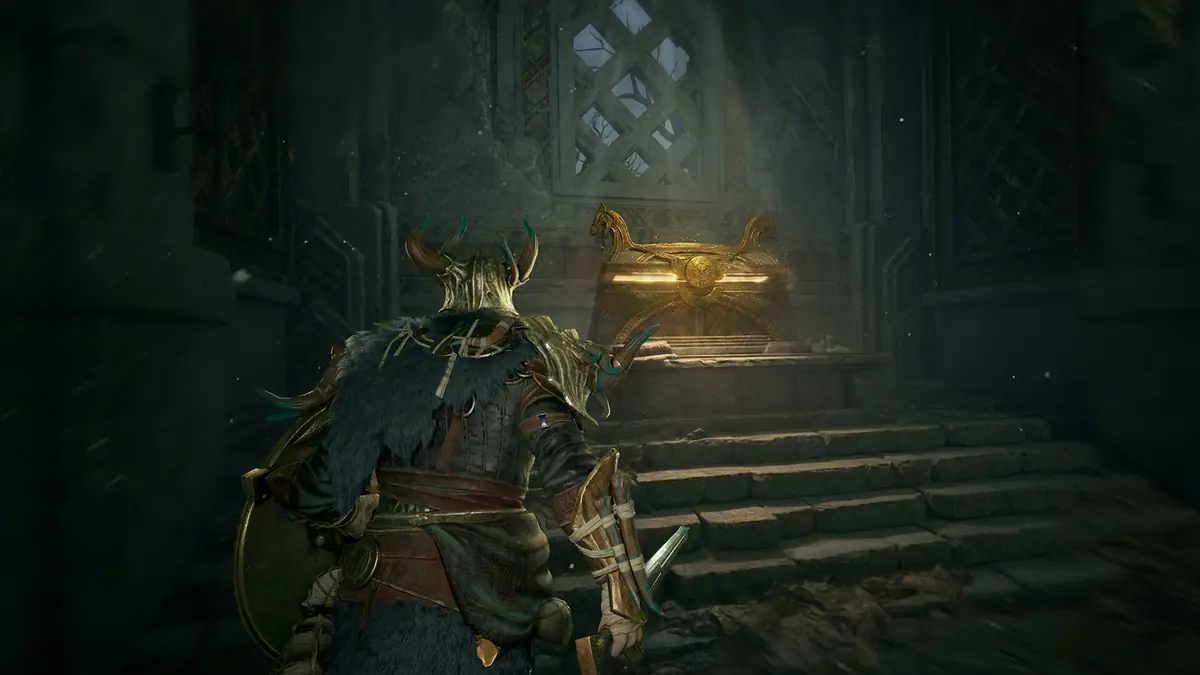
That distinction matters whenever players search for Mistfall Hunter best class or a PvP tier list. A video, forum post, or future patch may reveal a strong interaction, but a strong interaction is not automatically a complete ranking. Until reliable public testing fills the gap, use the table to choose a job and test it, not to claim that a class is mathematically superior everywhere. The official store screenshot below shows the extraction context, not proof of a tier placement.
Check the dated official price and release guide
- Facts: the official store identity, public platform listing, and the game's extraction framing.
- Experience-based advice: which role is easier to recover when a run goes wrong.
- Unverified claims: exact damage, hidden scaling, permanent PvP rankings, and any universal best class.
How to keep the ranking current
Treat this as a dated launch-week comparison, not a page that can stay unchanged forever. Recheck the official site, Steam listing, patch notes, and reliable public tests when a class, weapon system, extraction rule, or party mode changes. Update the table only when the new evidence changes the job a class can perform, and keep the reason visible so readers can tell whether a placement moved because of a real mechanic or because of a personal preference.
A useful maintenance note is short: date checked, source changed, class or mode affected, and the new failure condition to watch. If the evidence only improves a narrow build, add that build as a supporting paragraph on the planner or builds page rather than moving an entire class. That keeps this tier list focused on role comparison and protects the existing pages from keyword cannibalization.
Mistfall Hunter tier list FAQ
What is the best class in Mistfall Hunter?
There is no verified universal winner. Seeker is the safest default solo recommendation, while Warden is the strongest trio foundation in this role-fit comparison. Choose Vanguard for readable frontline control and Arcanist when the group can protect a planned burst and reset.
What is the best solo class in Mistfall Hunter?
Start with Seeker if you value scouting, repositioning, and safer extraction timing. Vanguard is a strong alternative for players who prefer direct space control. The choice should follow the job you can repeat, not a claim about hidden damage numbers.
Which Mistfall Hunter classes are best in trios?
Warden is the most reliable trio anchor because it supports recovery and team stability. Pair it with Seeker for information or Vanguard for a clear front line; add Arcanist only when the team can call targets and disengage after the burst.
Is this Mistfall Hunter tier list official?
No. The official Steam and publisher sources were checked for game context, but they do not publish these S/A/B placements. The ranking is an independent role-fit guide based on the public class model and extraction decision logic.
Does this page provide a Mistfall Hunter PvP tier list?
No. Similarweb shows interest in best PvP class queries, but the public evidence checked here is not strong enough to claim a separate PvP ranking. Treat PvP as an open research question until reliable mode-specific tests are available.
How often should the Mistfall Hunter class tier list change?
Recheck it after a class, weapon, extraction, or party-mode change that affects a class's actual job. A narrow build improvement belongs on the builds page; move a tier only when the evidence changes role reliability.
Bottom line
Use Seeker as the default solo starting point, Warden as the safest trio anchor, Vanguard when the party needs readable frontline control, and Arcanist when a prepared team can protect the burst window. This Mistfall Hunter tier list is a transparent role-fit comparison, not an official balance ranking. Test one change at a time, follow the exit rule, and revisit the page after public evidence or patches change the job each class can perform.
Sources and editorial limits
Game context was checked on August 19, 2026 against the official Mistfall Hunter website and the official Steam App ID 3282300 page/API. Those sources support the public game identity, release/platform context, and extraction framing; they do not establish the S/A/B class placements. The feature image is an independent editorial concept, while the two body images are official Steam Store media.