Mistfall Hunter weapon build guide
Mistfall Hunter Sword and Shield Build: 5 Priorities for Safer Solo and Trio Runs
A sword-and-shield setup is a practical starting point when you want room to read a fight, make a short commitment, and keep a route back open. Build around repeatable decisions rather than an unverified damage ranking: choose one defensive answer, one reliable pressure window, and one way to reset. This guide separates general planning advice from patch-specific values that still need current in-game testing.
Role-based build framework reviewed 24 October 2026; exact item values are not asserted
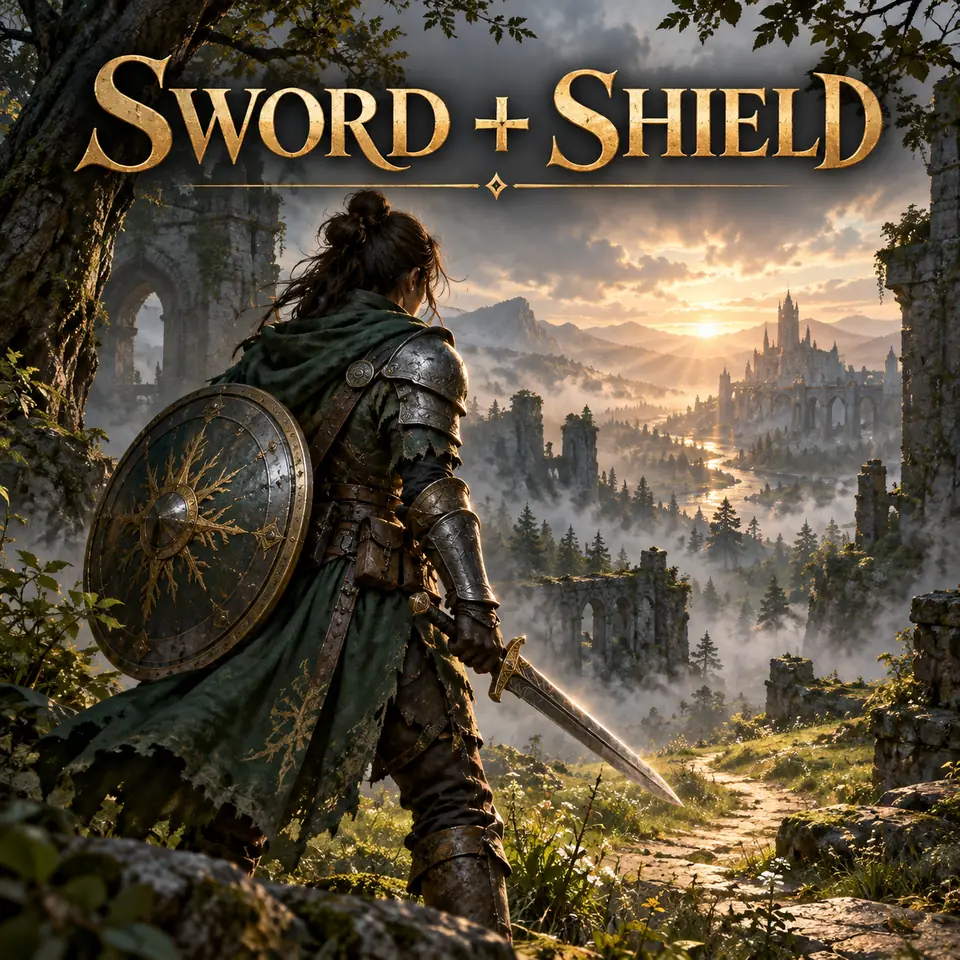
For a Mistfall Hunter sword and shield build, start with a stable role instead of chasing a claimed best-in-slot list. Keep enough room to recover from one poor exchange, spend damage only during a clear opening, and decide how you will leave before you commit. The available public material confirms the game's broad extraction loop and equipment focus, but it does not verify one permanent combination of item names, stat values, or talent ranks. Treat the priorities below as a testable setup, then confirm every exact value in your current game version.
Role-based build framework reviewed 24 October 2026; exact item values are not asserted
Build decision
| Build decision | Safe starting point | Change it when |
|---|---|---|
| Role | Hold space and leave a reset route | A teammate already owns the anchor role |
| Damage | Use short, repeatable openings | A verified patch or test changes the timing |
| Gear | Keep one survival answer and one pressure option | The current item descriptions support a clearer trade |
| Solo | Take loot only while the exit remains readable | The route or recovery option disappears |
| Trio | Call the anchor, pressure, and flex jobs | A squad member is separated or the plan overlaps |
What this sword and shield build is meant to solve
The useful question is not whether a shield always beats another weapon. It is whether this setup lets you make a decision, survive its cost, and return to a safe route. A close-range weapon pair naturally invites longer trades, so use the shield side of the setup as a reason to control when you engage, not as proof that every hit can be blocked. The exact input, defense rule, and recovery cost can change; read the current tooltips and test them rather than assuming a genre convention applies.
Use this guide as a role-based build framework. It works best for a player who prefers controlled contact, wants to learn an encounter, or needs a clear job in a small team. It is not a claim that sword and shield is the highest-damage option, the only viable option, or an official meta build. If your current version uses different class labels or item terminology, keep the decision rules and substitute the names shown in your own loadout screen.
- Keep one recovery or disengage option available before committing.
- Choose one offensive window you can recognize without a damage spreadsheet.
- Change one item or skill at a time so the next run teaches you something.

Five priorities for a safer Mistfall Hunter sword and shield build
Start with these priorities in order. They describe what a build should let you do, not fixed stat names or hidden game formulas. Open your current equipment and skill descriptions, then choose the visible options that serve the same job. If two bonuses appear to help, prefer the one you can test repeatedly over the one that only sounds stronger in isolation.
A strong first pass is deliberately modest: one answer for survival, one repeatable damage action, and enough flexibility to leave a bad room. After a few runs, review the point where the plan stopped working. If you were safe but too slow, tune pressure. If you dealt damage but lost the exit, tune recovery or decision timing before adding more offense.
Compare this focused setup with the site's broader build patterns
| Priority | Look for | Avoid |
|---|---|---|
| 1. Readable defense | An option whose condition and cost you understand | Assuming a shield prevents every source of damage |
| 2. Repeatable pressure | A short attack window you can create on purpose | A long chase that carries you past the safe route |
| 3. Recovery | A clear way to regain space or stop an exchange | Spending every defensive action at the first contact |
| 4. Useful gear | Bonuses that solve the problem you actually observed | Copying a stat priority without checking the current item text |
| 5. Team value | A job that complements the other players | Three players choosing the same role by default |
Choose gear, skills, and talents by the job they perform
Read each item or talent description in the current version and ask what decision it improves. A defensive effect is useful only if it changes a real failure point: being caught during a long trade, losing room to reposition, or having no answer when an encounter changes. A damage effect is useful when you can trigger it in a predictable opening. If a bonus depends on a condition you rarely create, its headline number may not help your actual run.
Do not copy a `Mistfall Hunter mercenary sword and shield build` string as if it proves that one class label, talent order, or item set is current. Similarweb shows that this wording appears in the query cluster, while public data checked for this brief does not establish a verified class-specific loadout. Match the class name to the current game UI, inspect the prerequisite and resource cost, and test one change. When a source does not state a patch or test method, treat its exact item advice as a lead, not a fact.
- Write down the skill's trigger, cost, and recovery before building around it.
- Keep one gear choice that helps you leave danger, not only enter it.
- Use a damage bonus only when you can name the opening that activates it.
- Check whether a talent changes a real decision or only adds an unverified number.
How to adjust the solo sword and shield build
Solo play removes a teammate who can cover a second angle or confirm a retreat call. Build for information and repeatability: approach one uncertain space at a time, keep a route back in view, and do not treat a safe-looking shield option as permission to stay in a fight indefinitely. If an encounter costs the recovery action you expected to use later, pause and reassess before taking another reward.
A practical solo loop is to set one objective, check the cost of reaching it, and decide what would make you leave before you move in. The loot can change the value of continuing, but it does not erase the return trip. If you are searching for a `Mistfall Hunter solo sword and shield build`, begin with the same role priorities and remove any choice that only pays off when another player is nearby. For a wider look at extraction decisions, use the site's gameplay and beginner guides.
Review the solo and extraction gameplay loop
- Choose one objective and one route home before the first risky contact.
- Spend only the defensive or offensive action needed for the current opening.
- Recheck health, recovery options, and route visibility after a fight.
- Extract when the remaining reward no longer pays for the route risk.
How the build changes in a trio
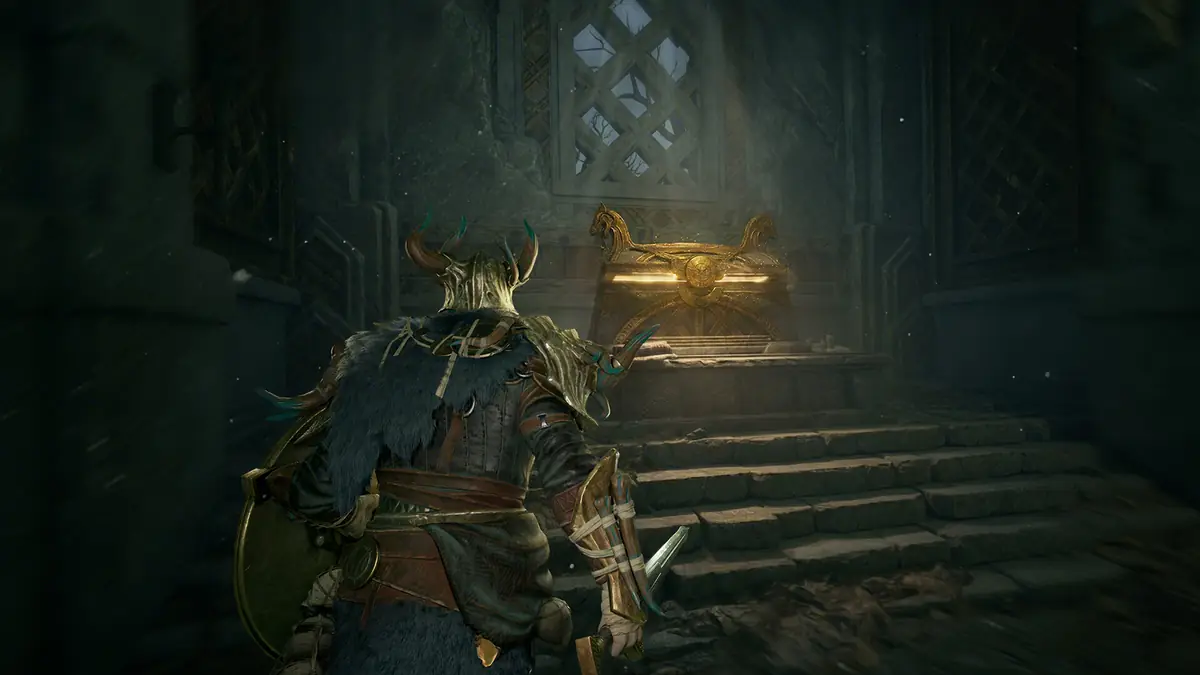
In a trio, sword and shield can be a useful anchor job if the player is comfortable holding space and communicating a reset. That is a team recommendation, not a verified class bonus. Agree who will call the retreat, who will take a short pressure window, and who will flex toward scouting or recovery. A `sword and shield merc Mistfall build` should not mean that the player walks ahead alone; the setup works only when teammates know which opening they are waiting for.
If another player is already anchoring, shift this build toward controlled pressure or a flexible support job instead of duplicating the same responsibility. Keep enough distance to react when the fight moves, but stay close enough to hear a call. If one teammate is separated, the trio should regroup before restarting an engagement. That principle is more stable than claiming a single composition is strongest across every patch, map, and skill level.
Use the trio roles and fallback checklist
| Situation | Sword-and-shield job | Team call |
|---|---|---|
| Unknown room | Hold a recoverable position | Scout one angle before the group pushes |
| Clear opening | Commit to one short pressure window | Call the target and stop after the agreed window |
| Player separated | Protect the route to regroup | Pause the push until the team is together |
| Exit unclear | Do not trade away the retreat | Reset or leave before adding another fight |
A short test plan for tuning the build
A build is hard to improve when the class, skills, gear, route, and risk level all change at once. Use a short sequence that holds most choices steady. Before a run, write down the one question you want to answer. Examples: did the defensive choice create time to reposition, did the attack window feel repeatable, or did the planned exit remain usable after the first encounter? These are observations, not a substitute for a controlled damage test.
After each run, record the result in plain language. Note the decision that cost the most, the resource you wished you still had, and whether the run ended because of combat, route choice, or a team split. Change one relevant part for the next attempt. If you change several things, keep the result as a new build experiment rather than claiming that one item caused the outcome.
Use the low-risk five-run learning plan
- Lock the class, weapon pairing, route style, and risk level for the first comparison.
- Pick one variable: a gear bonus, skill choice, or timing rule.
- Record the objective, failed decision, recovery option, and extraction result.
- Repeat the same question before calling the change an improvement.
- Recheck patch notes or item text whenever the game changes the relevant system.
Common mistakes and what this guide cannot prove
The first mistake is confusing defense with safety. A defensive tool can still have a timing rule, cost, or gap; learn its actual behavior before committing to an extended trade. The second is stacking offensive choices because a build list names them as optimal. If you cannot identify the opening that makes the effect useful, test it before treating it as a priority. The third is following advice with no patch date or clear test conditions as though it were a current ranking.
The fourth mistake is changing too many parts between runs. A build may feel better because the route or teammate changed, not because one item was stronger. Keep notes and avoid turning a personal success into a universal rule. The current public sources support the game's extraction structure, equipment focus, solo play, and team play; they do not provide a verified sword-and-shield damage formula or a permanent item ranking. Use this framework as a starting point and replace assumptions with repeatable evidence when you have it.
Mistfall Hunter sword and shield build FAQ
What is the best Mistfall Hunter sword and shield build?
There is no verified universal best setup in the sources used for this guide. Start with a clear defensive answer, one repeatable pressure window, and a way to reset. Then test the current item text and patch rather than trusting an undated meta claim.
Is a mercenary sword and shield build good for solo?
It can be a reasonable role-based starting point if the current class and gear support the pairing, but the Similarweb keyword alone does not verify a current class loadout. For solo, favor choices that keep a route home and do not depend on a teammate to cover your recovery.
Which stats should I prioritize for a sword and shield build?
Use the stat names and effects shown in your current version. First cover the failure you actually observed, then add a damage option you can use in a predictable opening. This guide avoids invented stat names, breakpoints, and exact values.
Does the sword and shield build work in a trio?
It can fit an anchor or controlled-pressure role when the team has agreed who calls a reset and who covers other jobs. If another player already anchors, adjust the role instead of duplicating it. The trio composition should be tested in the current patch.
Should I copy a Mistfall Hunter sword and shield build code?
Use a code as a starting reference only when its source, patch, class, and item requirements are clear. Compare every choice with your own game version and change one variable at a time so you can tell what helped.
The short version
Treat the Mistfall Hunter sword and shield build as a controlled, role-based experiment: protect a reset, use short pressure windows, keep the solo route readable, and assign clear trio jobs. Exact item names and numeric priorities remain patch-sensitive and were not verified here, so validate them in the current game before calling any setup best-in-slot.
Official references and evidence limits
The official game website and Steam listing are included for the game's broad identity and equipment context. The existing official Steam screenshots on this page are contextual media only. No current official source was reachable from this workstation to verify a particular sword-and-shield stat line, skill rotation, patch-specific item ranking, or exact best build; recommendations above are explicitly role-based and should be checked in-game.