Mistfall Hunter trio builds guide
Mistfall Hunter Trio Builds: 3 Roles, Comps, and Duo Fallbacks
The most reliable Mistfall Hunter trio builds are built around jobs, not three copies of the highest-damage class. Give one player a stable anchor, one player a pressure job, and one player a flexible scout or recovery job. That division keeps a bad room from becoming a lost run and gives the team a clear answer when one player is separated.
Squad planning note checked 24 October 2026 · exact class values remain patch-sensitive
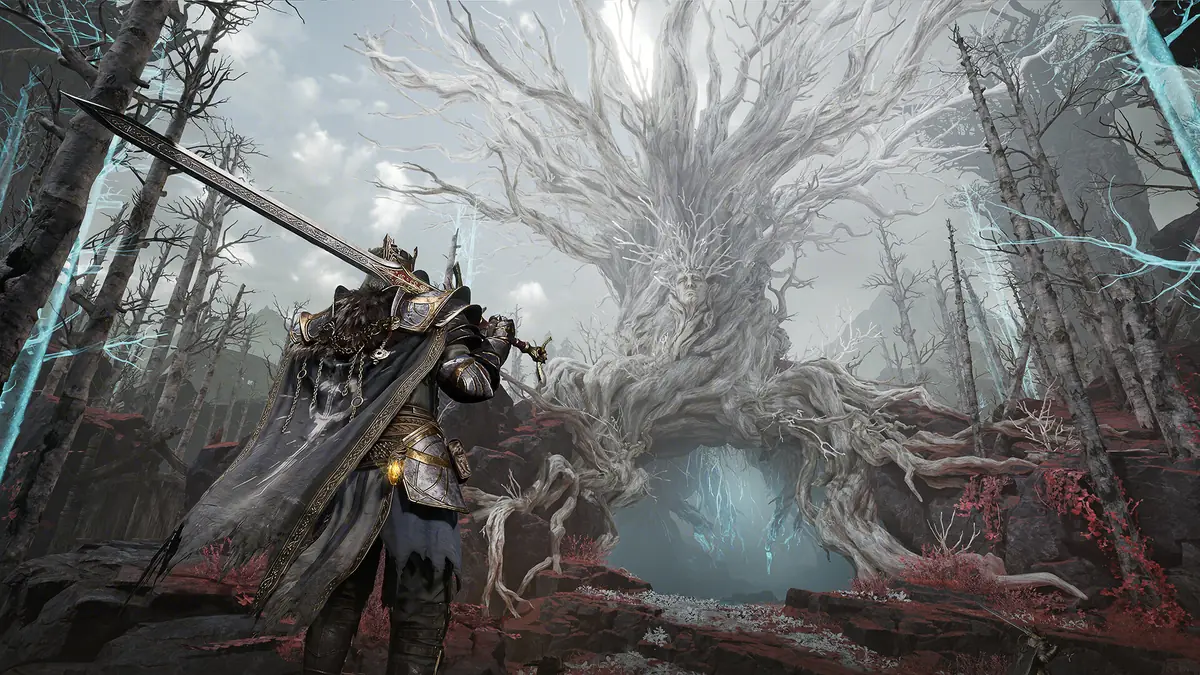
A good Mistfall Hunter trio build answers four questions before the queue starts: who holds the safe space, who creates pressure, who covers information and recovery, and where the group leaves when the room turns bad? The exact class names, affixes, and damage values can change with patches, so this guide uses role logic and observable run decisions instead of pretending that an unverified tier list is official. Use the compositions as starting points, then record one change after each run.
Squad planning note checked 24 October 2026 · exact class values remain patch-sensitive
Planning unit
| Planning unit | Recommended default | Why it matters |
|---|---|---|
| Anchor | Protect space and the retreat | A trio needs one player who does not spend every option chasing damage. |
| Pressure | Spend damage only during a called window | The pressure player converts safe openings without dragging the party forward. |
| Flex | Scout, revive, or switch targets | A flexible job keeps the plan useful when the room or queue changes. |
| Fallback | Two players regroup before re-engaging | A separated third player is a reason to reset, not to improvise three solo fights. |
What a Mistfall Hunter trio build must solve
Three players create more output, but they also create more ways to split attention. A trio can lose a run because everyone pushes the same target, because nobody watches the exit, or because the player carrying recovery tools is the first person to overextend. A role contract keeps those failures visible. The anchor protects the space the team will use to reset. The pressure player takes the shortest safe damage window. The flex player watches the route, fills a missing angle, and keeps a recovery option available.
Do not turn these jobs into permanent class labels. A ranged class can anchor a doorway, a durable class can pressure a boss, and a scout can become the emergency reviver. The useful rule is that every player can say what they are responsible for before the run. If two players name the same job, decide who is primary and who is the backup. That single conversation is more reliable than copying a build code whose assumptions you cannot verify.
Compare the current class rolesUse the tier list as a role comparison, not an official ranking
| Job | Before contact | During danger | Common mistake |
|---|---|---|---|
| Anchor | Choose reset space and exit direction | Hold the safe side and call retreat | Spending movement before the team has information |
| Pressure | Confirm the target and timing | Use only the called opening | Chasing a low-health target through an unknown room |
| Flex | Carry information or recovery value | Cover a flank, revive, or swap targets | Trying to do every job at once |
Safe learning trio: anchor, scout, and controlled pressure
For a first set of trio runs, use the composition that leaves the most information after a mistake. Put the player who reads routes well in the anchor job, give the most patient player the pressure job, and let the flex player scout the next room while keeping a recovery option. The group should move as a triangle rather than a single stack: close enough to hear a call, spread enough that one hit or hazard does not remove every option.
This is not a promise that one class is always best. Choose the class with which each player can consistently see, retreat, and communicate. Start with conservative risk and a weapon pattern everyone can explain. If the trio dies while all three players still had a route home, the issue is probably timing or target selection. If the route disappeared before anyone called it, change the anchor rule before changing the damage build.
Start with the five-run learning method
- Name the anchor before loading in and let that player call the first reset.
- Keep one player outside the first room until the team knows where the exit and next threat are.
- Spend one resource at a time during the learning phase so the post-run review has a clear cause.
- Treat a safe extraction with incomplete loot as a successful information run.
Balanced extraction trio: the default Mistfall Hunter build
A balanced trio is the best default when the team wants repeatable extractions rather than a single highlight run. Keep one player focused on space and retreat, one on short pressure windows, and one on information plus recovery. The flex player should be able to stop attacking without collapsing the plan. That makes the composition useful when a map route is longer than expected, when loot changes the risk calculation, or when a player has to recover after a mistake.
Set a shared risk rule before the queue. For example, the team can agree that a lost recovery option, a split party, or an unclear exit ends the push. The rule is not a prediction of the game’s hidden numbers; it is a way to make the same decision under stress. Review the rule after several runs, not after one lucky clear. A build that wins once but cannot explain why is still an experiment.
Review the extraction loopCheck map and queue labels before routing
| Situation | Anchor call | Pressure call | Flex response |
|---|---|---|---|
| Unknown room | Hold the entry and mark the exit | Wait for a confirmed target | Scout one angle, then return |
| One player tagged | Create space for the reset | Stop chasing and cover the retreat | Bring recovery value without crossing the danger |
| Good reward, low information | Keep the route home open | Use only a short window | Check the next room before the greed call |
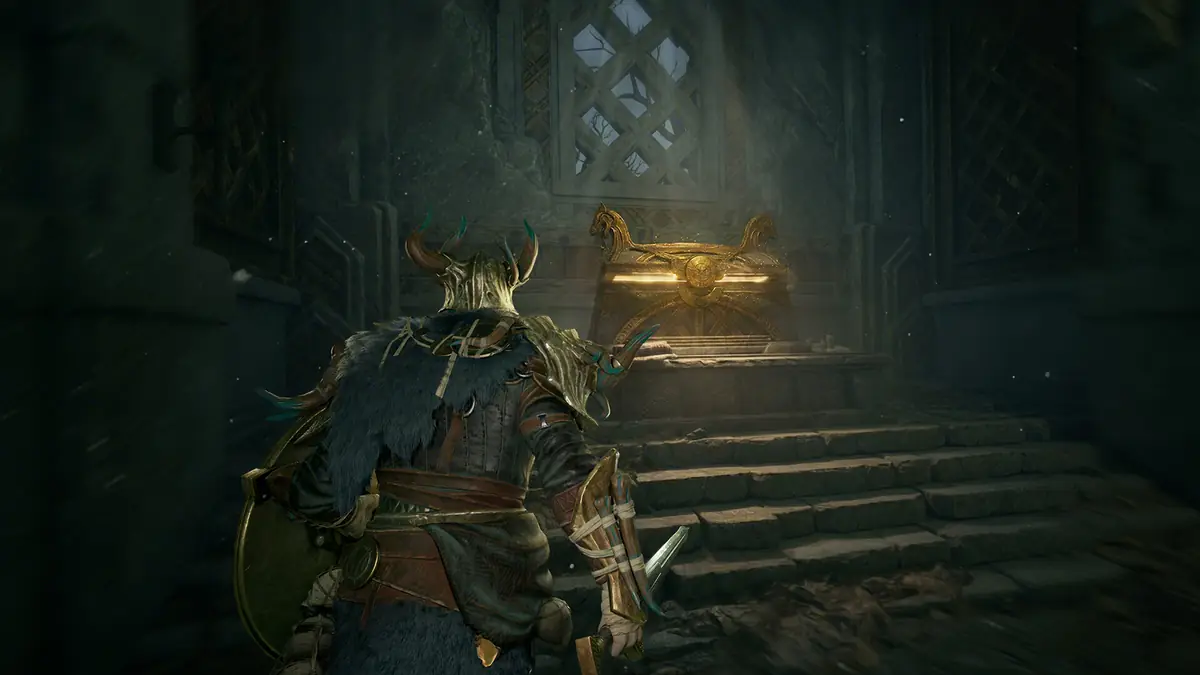
Boss-pressure trio: add damage without deleting the exit
A boss-focused trio can increase pressure, but it should not remove the anchor and flex jobs. Decide who calls the damage window, who keeps sight of the retreat, and who protects the reset after a missed pattern. The pressure player should never be the only person who knows when to stop. If the room changes, the anchor call wins and the trio returns to its safe position before trying another cycle.
Use a short test plan for a new boss or patch. Keep the route, queue, and class jobs stable. Record the first dangerous pattern, the resource spent, and the point at which the group chose to leave. Do not publish a fixed damage rotation from one run or assume that a visual effect proves scaling. The goal of the build is a repeatable decision loop, not an impressive clip with unknown conditions.
Use the boss preparation checklist
- Call the target and the exit direction before the first committed attack.
- Keep one recovery or movement option unused until the first dangerous pattern is understood.
- If the party splits, stop the damage cycle and regroup before reviving or re-engaging.
- Write down patch date, mode, and team size when comparing boss attempts.
What classes have a chance as a duo inside a trio?
The best duo fallback is not a secret class pair. It is a pair that can still see the route, cover a retreat, and give up a fight without arguing about sunk loot. When the third player is separated, down, or disconnected, the remaining two should reduce the objective: regroup, recover information, and leave if the route is no longer clear. A duo that keeps the original trio pace usually converts a small problem into a full wipe.
Choose complementary jobs rather than identical damage. One player holds space and watches the exit; the other scouts or applies pressure only after a safe angle is confirmed. If the pair cannot communicate a retreat in one short call, the class combination is not ready for a greedy push. This answer addresses the Similarweb question about duo classes in trios without inventing a permanent ranking that the checked public sources do not verify.
Review solo and first-run fundamentalsPlan communication for mixed platforms
| Duo state | Safer adjustment | Do not do |
|---|---|---|
| Third player separated | Pause and return to a known landmark | Chasing a new target to reunite faster |
| Third player down | Secure space, then revive only with an exit | Reviving in the open while both players face the threat |
| Third player disconnected | Lower the objective and extract if needed | Assuming the missing player will reappear at the same route |
Pre-queue checklist for Mistfall Hunter trio builds
A build is only useful when the group can load it without a long argument. Spend thirty seconds on the same checklist each time: name the three jobs, confirm the risk level, identify the recovery option, and state the exit rule. Check the map and queue shown in the client rather than relying on an old guide. This prevents a trio from treating a difficulty or team-size label as if it were a different map or a permanent class rule.
Open the general build patterns hubSeparate areas, views, and queues
- Choose anchor, pressure, and flex jobs and name one backup for each.
- Confirm the map, difficulty, team size, and objective in the current client.
- Set one leave call: lost recovery, split party, blocked route, or reward no longer worth the risk.
- Reserve one movement or recovery option for the first unknown room.
- After the run, record one observed pattern and change only one variable next time.
How to review a failed trio build
Do not replace every class after a single wipe. Write down the first decision that removed a safe option: a chase, a split, an early cooldown, or an unclear retreat. Then ask whether the problem came from the role contract, the route, or the player’s execution. If the anchor never called a reset, change the call rule. If the trio had no safe space to hold, change the route. If the plan worked until one player ignored the call, practice the communication before rewriting the build.
A simple run log makes the comparison useful: queue and patch date, three jobs, objective, first danger, resource spent, extraction result, and one change for the next attempt. Keep the rest constant long enough to see a pattern. This is especially important while public information is changing. Official notes and reliable tests can update the class or map assumptions; until then, label a build as a tested direction rather than a permanent meta verdict.
Use the extraction loop as the review frameCheck update status before treating advice as permanent
Mistfall Hunter trio builds FAQ
What is the best Mistfall Hunter trio build?
Start with anchor, pressure, and flex jobs. The best composition is the one your team can explain, retreat with, and repeat in the current queue; this guide does not claim a permanent class ranking.
Are Mistfall Hunter trio builds different from the general builds hub?
Yes. The general hub helps choose a loadout direction. This page focuses on three-player role coverage, communication, duo fallback, and extraction rules, so it supports the hub instead of replacing it.
What classes have a chance as a duo in Mistfall Hunter trios?
Any complementary pair can work when one player protects space and the other scouts or applies controlled pressure. The pair should reduce the objective when the third player is missing instead of forcing the original trio pace.
Should a trio copy a build code?
Only when the code source, patch, and assumptions are clear. A code query has a different intent from an evidence-based guide, and this site does not provide unverified codes.
Can these trio builds prove exact class or boss numbers?
No. They are role and decision guidance. Verify exact values in current official notes or repeatable tests before turning an observed result into a permanent claim.
When should a trio extract?
Use the agreed leave call: lost recovery, a split party, a blocked route, or a reward that no longer pays for the remaining risk. A safe extraction can be a successful learning run.
The short version
Build a Mistfall Hunter trio around three jobs: anchor the safe space, apply pressure during called windows, and flex between scouting and recovery. Start with the balanced extraction composition, keep a duo fallback, and review one decision after each run. Use current official notes and your own logs to update the plan when the game changes.
Sources and scope
Official Steam Store media supplies the screenshots. Role recommendations are editorial guidance based on the page's Similarweb opportunity research and the site's existing public guides; no hidden damage values or official class ranking is asserted.