A practical first-five-runs guide
Mistfall Hunter Beginner Guide: First 5 Runs, Controls, Builds, and Safe Extractions
Short answer: treat your first five runs as a learning loop, not a damage test. Bring a forgiving loadout, learn one route, bank a small haul, and change only one variable after each extraction or death.
Updated September 24, 2026 · public game context checked against the official site and Steam listing
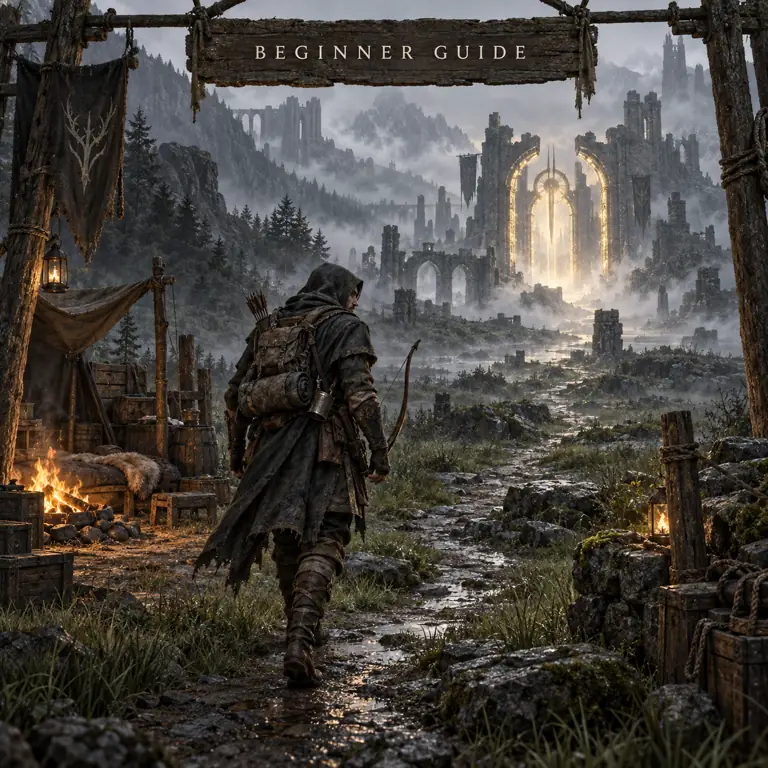
Mistfall Hunter is easiest to learn when you separate three decisions that beginners often mix together: what your class is meant to do, how much risk the run can absorb, and when the haul is already good enough to leave. The official game pages describe a dark-fantasy extraction ARPG with class skills, talents, gear, solo play, and three-player squads. They do not publish a fixed beginner route, universal best build, or guaranteed number of hours. This guide fills that practical gap with a repeatable first-five-runs checklist. It uses public facts for the game's identity and labels the rest as independent planning advice. The goal is not to make every run safe; it is to make every run teach you something useful.
Updated September 24, 2026 · public game context checked against the official site and Steam listing
Beginner decision
| Beginner decision | Safe default | Why it helps |
|---|---|---|
| First class | Choose the role you can describe in one sentence | A clear job makes mistakes easier to diagnose. |
| Starter risk | Balanced or conservative | Keep one recovery option after a bad contact. |
| First route | One short route to one known exit | Repetition teaches timing faster than map-hopping. |
| Upgrade rule | Change one item or habit at a time | You can connect a result to a decision. |
| Success test | Extract with a small haul and a note | A secured lesson is more valuable than an unbanked fight. |
Your first five Mistfall Hunter runs
Run one is a controls and camera check. Pick the class whose job sounds most natural, move through a low-pressure area, test your basic attack and escape option, and leave before curiosity turns into a second fight. You are learning how quickly stamina, cooldowns, healing, and threat direction change the route. Do not measure the run by rare loot yet.
Run two repeats the same broad route. Add one objective, but keep the exit rule from run one. Run three tests one loadout change. Run four is your first deliberate solo or squad comparison: ask whether another player actually solved a weakness or only added more damage. Run five is a review. Write down class, objective, first warning sign, death or extraction, and one change for the next session. This tiny log is more useful than copying a build whose assumptions you cannot see.
Review the extraction gameplay loop
- Run 1: learn movement, camera, attack range, and the retreat button.
- Run 2: repeat the route and leave after the first useful objective.
- Run 3: test one weapon, risk, or class change.
- Run 4: compare solo with a coordinated trio if possible.
- Run 5: keep the best lesson, not necessarily the biggest haul.
Controls and the pre-run checklist
Searches for Mistfall Hunter controls often point to a simple problem: players know the attack button but have not prepared a response for a missed attack, a blocked doorway, or a teammate who is falling behind. Before loading in, identify your movement, attack, dodge or escape, interact, map, inventory, and ping or communication inputs. The exact key layout can vary by platform and may change after updates, so use the in-game binding screen as the source of truth.
A useful checklist takes less than a minute. Decide the job, choose a risk level, check that the loadout leaves room for recovery, and name the exit condition. In a trio, say who scouts, who holds space, and who calls the retreat. In solo, say the same roles aloud to yourself: information, pressure, and escape. The planner on this site can turn those choices into a compact starting direction, but it does not replace learning the real controls.
Use the loadout planner checklist
- Confirm movement, attack, escape, interact, map, inventory, and communication inputs.
- Keep one answer for a missed attack: distance, cover, or a planned exit.
- Set a stop rule before you see valuable loot.
- In co-op, state the scout, pressure, and retreat jobs before the first contact.
- Pick one role and one objective.
- Choose a balanced risk setting and keep a recovery option.
- Check bindings and platform-specific input prompts.
- Name the first exit condition before the run starts.
How to choose a beginner loadout
A beginner build should make the next decision obvious. Start with a class role you can explain: Vanguard holds readable space, Seeker gathers information and repositions, Arcanist creates a planned burst window, and Warden protects recovery and team stability. Those are this site's planning labels, not a claim about hidden damage values. Choose the role that matches the mistake you most often make. If you chase too far, pick a role that makes the exit visible. If you hesitate, pick a role with a clear first action.
For weapons and gear, prefer consistency over a spectacular opening hit. A loadout that works after a missed attack is more valuable during the first five runs than one that assumes perfect timing. Keep the inventory simple enough that you can identify what was spent, what was lost, and what should change. The existing builds page covers broader patterns; this guide only establishes a beginner baseline so it does not compete with a build catalogue.
Compare the class rolesRead the build patterns
- Choose a role before choosing a damage fantasy.
- Prefer a reset or retreat option over a second high-risk upgrade.
- Carry only the tools you can explain and replace.
- Record one reason for every item you bring.
| If you struggle with... | Start by testing... | Measure the run by... |
|---|---|---|
| Getting surprised | Seeker-style scouting and repositioning | Whether you saw danger earlier. |
| Overcommitting | Vanguard space control with a stop rule | Whether you left after the warning sign. |
| Cooldown panic | Arcanist only with a reset route | Whether the second contact was planned. |
| Team recovery | Warden-style stability and communication | Whether the group reset together. |
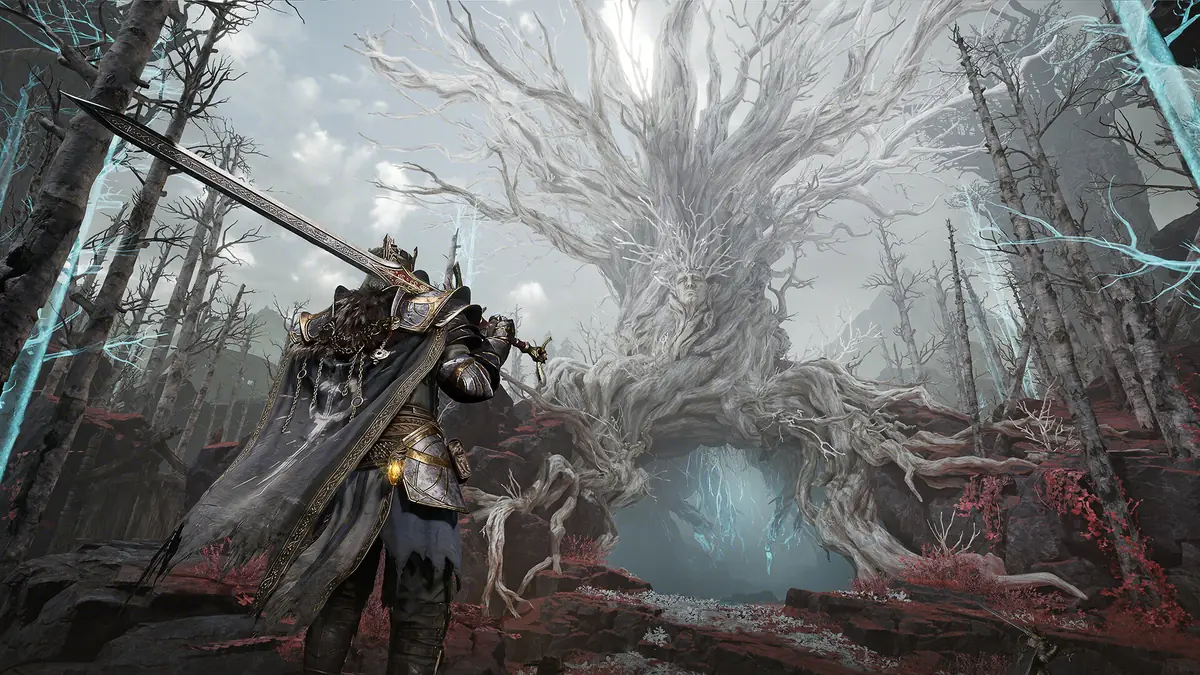
The beginner in-run loop: observe, commit, reset
Use a three-part loop for every meaningful contact. Observe the room, the route behind you, and the resource you would spend to continue. Commit only when the reward or objective is worth the risk and your escape is still readable. Reset when the room changes, a cooldown is missing, a teammate loses position, or the reward no longer justifies another contact. This is a practical model for managing uncertainty, not a hidden rule from the developer.
The most common beginner error is treating a successful first hit as permission to continue. A good opening can still leave you with poor sightlines, no stamina, or a blocked exit. Pause after the first exchange. Ask what the next ten seconds look like, not what the last ten seconds looked like. If the answer is unclear, move toward the exit or a safer angle. Your first five runs should make this pause automatic.
Plan communication for mixed-platform squads
- Observe the room and your retreat line.
- Commit only when the objective pays for the resource cost.
- Reset after a missed cooldown, broken formation, or changed exit.
- Treat a secured extraction as the completed part of the loop.
What to upgrade first and how to earn safely
The question what to upgrade first is really a question about repeatability. Upgrade the part of the run that fails most often, not the part that looks most exciting in a clip. If you lose resources while escaping, improve the option that protects the retreat. If you cannot finish a basic objective, improve consistency or information before adding a greedier damage choice. If the group collapses because nobody calls a reset, no item can solve the problem until the job split is clear.
Treat currency and materials as a budget for experiments. Keep a low-cost baseline that you can run again after a mistake. Spend more only when you can state the test: longer range, safer recovery, faster objective, or a better answer to one enemy pattern. The official sources checked for this guide do not publish a universal upgrade order or guaranteed money route, so the advice here stays at the level of decision rules rather than invented numbers.
Check the dated price and release facts
- Upgrade the failure that ends the most runs.
- Keep a cheap baseline for testing after a loss.
- Name the experiment before spending rare resources.
- Do not present an unverified currency route as an official farming method.
| Observed problem | Safer first experiment | Avoid |
|---|---|---|
| Cannot retreat | Test spacing, stamina, or an escape option | Stacking damage and keeping the same exit mistake |
| Cannot finish an objective | Test information or a simpler route | Buying a high-cost item without a measurable test |
| Team splits | Assign one caller and one retreat rule | Assuming more damage fixes communication |
Solo or co-op for a beginner?
Solo is useful when you want clean feedback. Every missed contact, route choice, and extraction decision belongs to your plan, so the lesson can be sharp. The cost is that one mistake has no rescue layer. Start solo if you enjoy slower scouting and can accept leaving with a smaller haul while learning the map.
Co-op is useful when the group communicates jobs instead of simply moving together. The official public descriptions support solo play and three-player squads, but they do not promise that every platform combination, progression rule, or region behaves the same forever. A beginner trio should use short callouts: contact, hold, reset, extract. Add a second damage plan only after the team can leave together.
Read the current crossplay caveatsCompare class roles for solo and trios
- Choose solo for clean feedback and slower map learning.
- Choose co-op when the group can name jobs and a retreat caller.
- Use short callouts instead of trying to narrate every action.
- Do not treat a squad's success as proof that one class is universally best.
Beginner mistakes and a recovery plan
Most early failures are process failures rather than proof that the class or weapon is wrong. Common examples include changing the whole loadout after one death, following a teammate into a room without an exit, spending every resource before the objective is secured, and confusing a large number with a useful lesson. Fix the process first. Keep the next run deliberately boring so you can see whether the change worked.
After a death, write three lines: what did I know, what did I assume, and what will I test next? If the answer is that you never saw the threat, test scouting. If you saw it but had no retreat, test spacing or a safer route. If the team knew the risk but continued anyway, test a callout rule. This keeps the beginner guide useful across patches because it focuses on decisions that remain visible even when exact values change.
Use the role-fit tier list carefully
- Do not rewrite the entire build after one loss.
- Do not enter a room without naming the exit.
- Do not spend every resource before the objective is secured.
- Do not mistake a big hit or rare drop for complete evidence.
What is verified, and what this guide does not claim
The official Mistfall Hunter site and Steam listing were checked for the public game identity, extraction-oriented framing, class and gear language, and the solo or three-player context. They do not publish the exact beginner route, a universal best class, hidden combat tables, a permanent upgrade order, or a guaranteed money method. Those gaps are why the guide uses cautious language and points to tests instead of presenting guesses as official data.
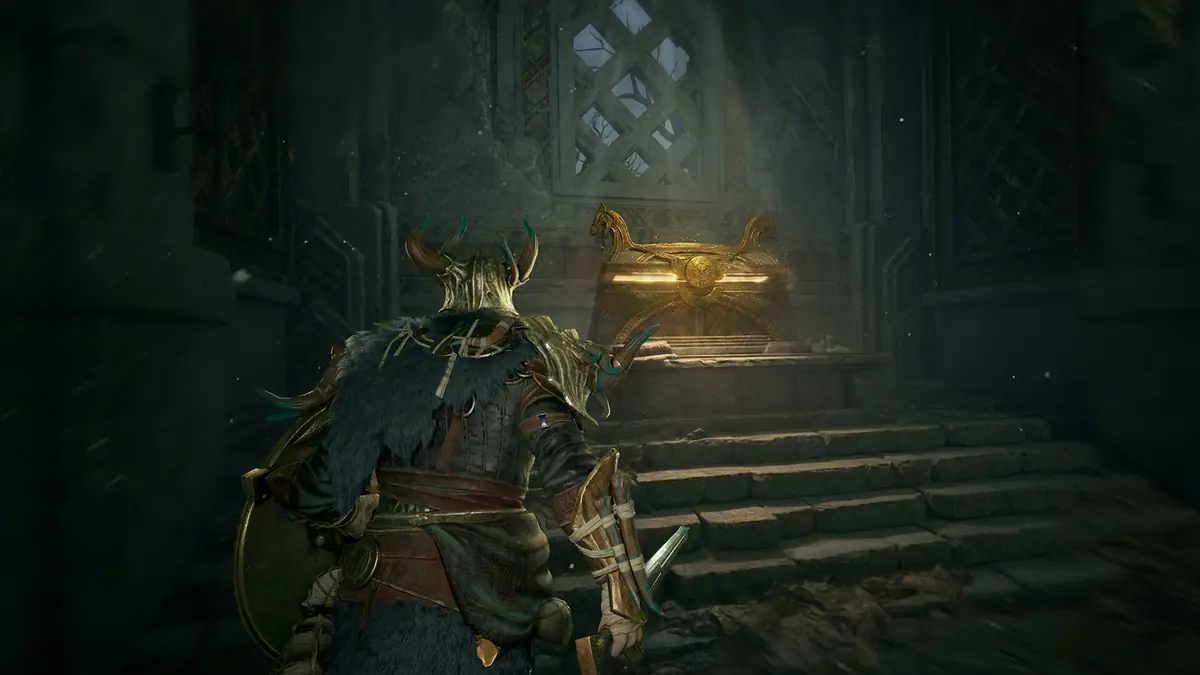
The combat and extraction images in this article are official Steam Store media and are linked as such. The feature image is an independent concept illustration generated for this editorial page. It is not gameplay, official art, or a product screenshot. Keep that distinction in mind when comparing this guide with videos, community posts, or future patch notes.
Read the independent resource policy
- Verified context: official game identity, public platform listing, and extraction framing.
- Independent advice: first-five-runs sequencing, role tests, and recovery rules.
- Unverified: exact damage, hidden scaling, permanent best build, and guaranteed farming routes.
Mistfall Hunter beginner guide FAQ
What should beginners do first in Mistfall Hunter?
Pick one role, run a short route, test the controls, and extract after one useful objective. Repeat the route before changing the entire loadout.
What are the best Mistfall Hunter beginner tips?
Set an exit rule before contact, keep one recovery option, observe the room before committing, and change only one variable after each run.
What should I upgrade first in Mistfall Hunter?
Upgrade the part of your run that fails most often, such as retreat timing, information, or objective consistency. Public sources do not establish one universal upgrade order.
Is Mistfall Hunter easier solo or in co-op?
Solo gives cleaner feedback but no rescue layer. Co-op can be safer when the group assigns scout, pressure, and retreat jobs and uses short callouts.
Does this guide list the official best Mistfall Hunter build?
No. It gives a beginner decision framework. Exact balance values, hidden scaling, and a permanent best build need reliable public tests or official notes.
Are the images in this beginner guide official screenshots?
The combat and extraction images are linked official Steam Store media. The feature image is an independent concept illustration and is labelled as such.
The beginner rule to keep
For your first five runs, protect the lesson before chasing the haul. Choose one role, repeat one route, keep a recovery option, set an exit rule, and change one variable at a time. That process makes Mistfall Hunter controls, builds, upgrades, and extraction timing easier to understand without pretending that unverified values are official facts.
Sources and editorial limits
Public game context was checked on September 24, 2026 against the official Mistfall Hunter website and the official Steam listing for App ID 3282300. Those sources support the game's public identity and mode framing but do not establish a universal beginner route, build, upgrade order, or farming method. The feature image is an independent concept illustration; the two in-body images are official Steam Store media.