Mistfall Hunter bosses guide
Mistfall Hunter Bosses Guide: Solo, Trio, Scaling, and Safe Clear Decisions
Short answer: the public first-party sources confirm Mistfall Hunter as an extraction ARPG with solo play and online co-op, but they do not publish a complete boss roster, hidden health values, or a universal player-count scaling rule. Use this page to turn each boss attempt into a controlled decision: identify the job, keep a reset route, test one variable, and extract before the haul becomes a liability.
Boss evidence checked 13 October 2026 - official site, Steam metadata, and Similarweb keyword research
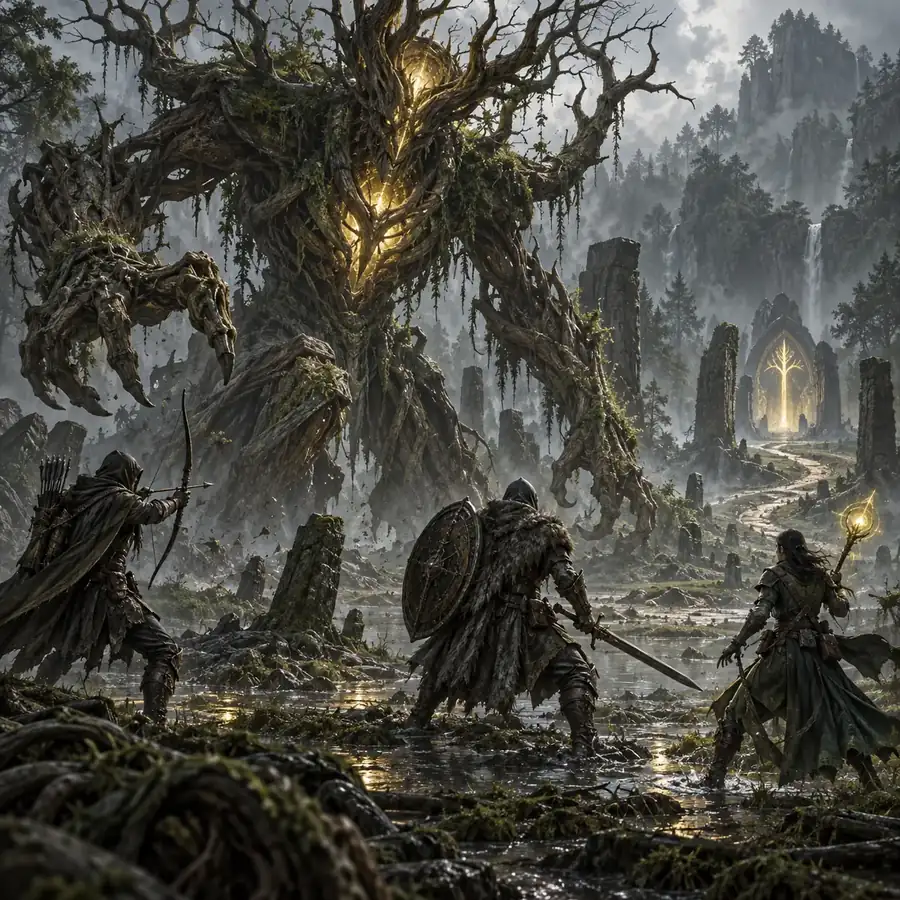
The most useful answer to Mistfall Hunter bosses is not a made-up tier list or a copied monster spreadsheet. Steam's public metadata confirms the shape of the game: a dark-fantasy extraction ARPG where players combine skills, talents, and gear, then play solo or in online co-op and try to return with a full haul. It does not publish a complete boss catalogue, exact health totals, drop tables, or a permanent formula for how bosses react to player count. This guide therefore separates source-backed facts from field observations. It gives you a repeatable way to prepare a solo or trio attempt, read the room, test a scaling question without risking a valuable kit, and decide whether the reward is worth one more room or a safe extraction.
Boss evidence checked 13 October 2026 - official site, Steam metadata, and Similarweb keyword research
Question
| Question | Checked answer | Practical use |
|---|---|---|
| What is verified? | Steam describes a dark-fantasy extraction ARPG with skills, talents, gear, solo play, and online co-op. | Plan around risk, roles, and extraction rather than an invented damage spreadsheet. |
| Is there an official boss list? | No complete first-party roster or boss stat table was found in the sources checked on 13 October 2026. | Treat names, HP, drops, and spawn rules as claims that need a dated source. |
| Solo or trio? | Both are part of the public game description; the official pages do not promise identical boss behavior in each mode. | Choose a job and recovery rule before entering the room. |
| Do bosses scale with players? | No verified public scaling formula was found. | Run a controlled comparison and label the result as observed, not official. |
| What counts as a clear? | A boss reward is useful only when the squad can leave with it. | Keep an exit and stop rule visible throughout the fight. |
What is actually confirmed about Mistfall Hunter bosses?
The official Mistfall Hunter website and the Steam App ID 3282300 listing establish the game's broad context: extraction ARPG, classes, skills, talents, equipment, combat, a full-haul extraction goal, solo play, and online co-op. Those facts are enough to explain why boss encounters are a risk-and-reward decision. They are not enough to claim that a named boss has a fixed health bar, a guaranteed drop, a known phase order, or a specific scaling multiplier.
That boundary matters because the Similarweb phrase-match data contains demand for all bosses, solo-versus-trio bosses, and whether bosses scale with players. A search query is a signal about a reader's question, not proof that a public answer exists. When a community database, video, or forum post supplies a name or number, record its date, game version, mode, and test conditions. Do not turn one run into an official rule, especially while the public source set is still changing.
For this page, verified means a first-party description or a dated public notice. Observed means a repeatable player test with its conditions written down. Unverified means a claim that cannot yet be reproduced or traced. Keeping those labels beside the boss advice prevents a useful route note from becoming a false promise.
Review the verified extraction gameplay loopCheck the dated map and route evidence
- Verified context: extraction ARPG, classes, skills, talents, gear, solo play, and online co-op.
- Not verified here: a complete official boss roster, exact HP, drop rates, spawn timers, or player-count multipliers.
- Useful observation: a decision that survives repeated runs with the same stated conditions.
- Unsafe shortcut: copying a community number without checking its date, mode, or patch.
Mistfall Hunter bosses: solo vs trio preparation
Solo and trio attempts ask the same first question: what job must be completed before the squad commits? In solo, one player has to scout, deal damage, preserve a reset, and choose the exit. In a trio, the group can divide those jobs, but communication and spacing become failure points. The strongest plan is the one that still leaves an exit when one player misses a call or spends a resource early.
Use the table as a starting role split, not as an official boss ranking. The public sources confirm the modes; the role suggestions are practical editorial guidance. Adjust them after a few comparable runs rather than changing class, weapon style, route, and risk level all at once.
Compare class roles without treating the tier list as officialPlan communication for a mixed-platform squad
| Attempt | Useful job | Main risk | Safer first goal |
|---|---|---|---|
| Solo | Scout the room, create a damage window, and keep the retreat readable | No teammate can cover a missed cue or recover a spent escape tool | Learn one approach, one reset point, and one extraction rule. |
| Trio | Assign caller, pressure, and rear-check or recovery roles | Players overlap, split the room, or chase after the caller says leave | Complete one coordinated cycle and leave with a modest haul. |
| Mixed experience | Let the least-informed player define the route boundary | A veteran pushes beyond the information the group can read | Call the stop signal before the first contact. |
A pre-boss checklist that protects the run
Preparation is where most boss clears are decided. A room becomes much harder when the group enters with a full inventory, no agreed retreat, and no answer for a disconnected or downed teammate. The checklist below keeps the attempt measurable. It is deliberately about information and recovery because exact boss numbers are not published in the checked first-party sources.
Write the condition for success in one sentence. For a first attempt, that might be seeing the boss pattern, forcing one clean damage window, or extracting after a safe reward. If the only goal is to win at any cost, the run cannot tell you whether the route, build, or communication caused the failure.
Use the five-run learning method for a first boss attemptTranslate the role into a practical loadout direction
- Name the boss room or objective and write down the route back to a known extraction.
- Choose one job per player: scout, apply pressure, protect the reset, or call the retreat.
- Keep one recovery or movement option unused until the group has read the first dangerous pattern.
- Agree on a short leave call and a rule for a separated, downed, or disconnected teammate.
- Set a stop condition before contact: lost recovery, split party, low information, or a reward that no longer pays for the risk.
- After the run, record one observed pattern and change only one variable on the next attempt.
Read the room before committing to damage
A boss fight is not only a damage check. It is a sequence of information checks: where the boss can reach, which teammate has a clear line, where the room narrows, and whether a retreat still crosses the same safe space. Start by identifying a position that lets the group see the next threat without standing on the only exit. If a player has to turn their back on the route home to continue attacking, the room has already changed the decision.
Use short cycles. Scout, call the window, spend only the resources that the window justifies, then reset your spacing. A missed cycle is information, not a reason to spend every cooldown. This is especially important in a trio, where a second player may still be safe even when the first player has overextended. Keep the group close enough to hear the call and far enough apart that one mistake does not remove every option.
Review build patterns that preserve an exit
- Keep one visible route between the fight and the planned extraction.
- Call the next damage window before the player with the most risk commits.
- Treat a blocked sightline, split party, or missing reset tool as a reason to pause.
- Do not infer a permanent mechanic from a single visual effect or one successful run.
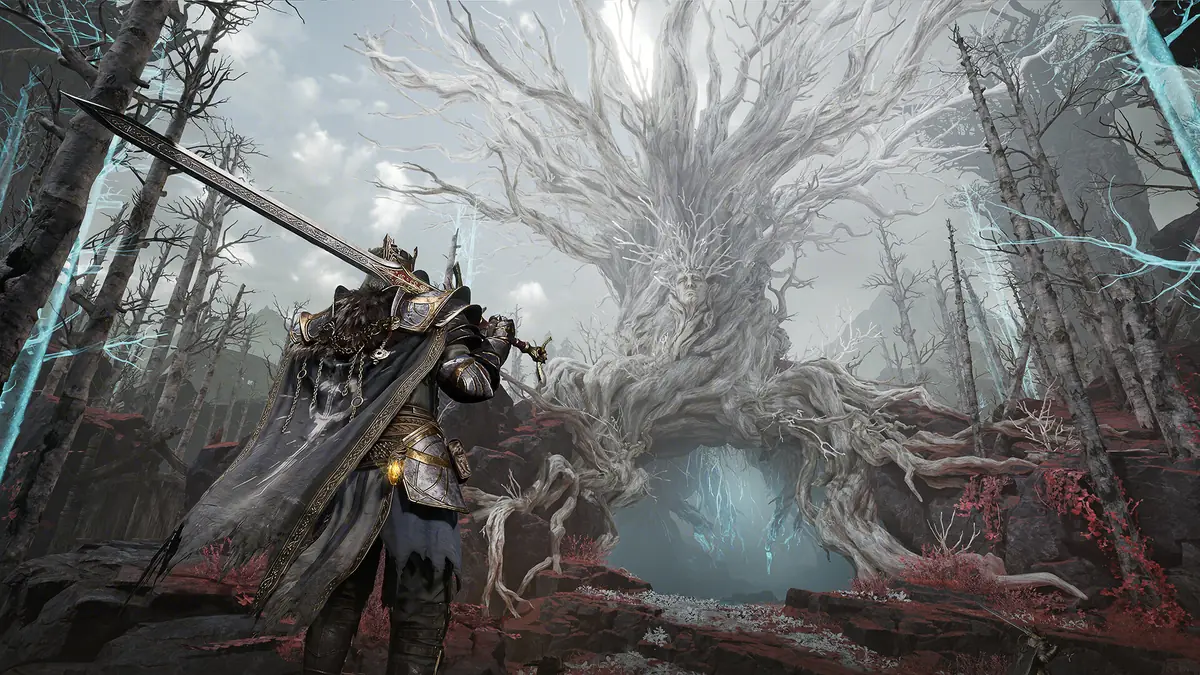
Do Mistfall Hunter bosses scale with players?
The careful answer is that no verified public scaling formula was found in the official site or Steam metadata checked on 13 October 2026. The question is still worth answering because Similarweb surfaced it as a phrase-match query with a current 28-day window. Treat it as a testable research question, not a number to repeat. A boss may change health, pressure, adds, rewards, or nothing at all when the party size changes; the public evidence checked here does not distinguish those possibilities.
To test the question, hold the route, difficulty, class role, weapon pattern, and objective as constant as possible. Compare a solo run with a trio run only after recording the same observable events: time to the first phase change, number of dangerous patterns, resource use, and the reward that actually leaves the room. Use several runs and write down patch date and mode. This will not create an official formula, but it can tell your own group whether a plan is repeatable under the current client.
Separate map, mode, and queue labels before testingUse the extraction loop as the test frame
| Variable | Hold constant | What the observation can show |
|---|---|---|
| Player count | One solo attempt and one trio attempt are not enough; repeat each condition | Whether your group sees a consistent change in pressure or time. |
| Route and room | Use the same approach and record if the room state differs | Whether position, not scaling, explains the different result. |
| Loadout | Keep class job and weapon pattern comparable | Whether resource output changed because the build changed. |
| Patch and mode | Record date, difficulty, and queue | Whether two reports are even describing the same client state. |
When should you extract after a boss?
A boss clear is only one part of an extraction run. After the room is quiet, check the value that is already secured, the resources still available, and the route home. If the group has spent its recovery, split its formation, or lost the information needed for the next room, the next reward has to justify a much higher failure chance. A short walk out with a smaller haul is often the cleanest result for a learning run.
Use an explicit leave rule instead of waiting for a feeling. For example: extract after the target reward is secured; extract when one recovery tool is gone and the route is unknown; or stop when the caller cannot account for every player. The rule can be more conservative for a new class or a valuable kit. What matters is that the group decides before the next fight, when the evidence is still visible.
Check the dated price and release contextReview solo and co-op extraction decisions
- Extract when the stated objective is complete and the reward is already useful.
- Extract when the next room requires a resource the squad no longer has.
- Extract when the party cannot name a reset point or a safe regroup location.
- Stay only when the next risk has a clear reason and a visible recovery path.
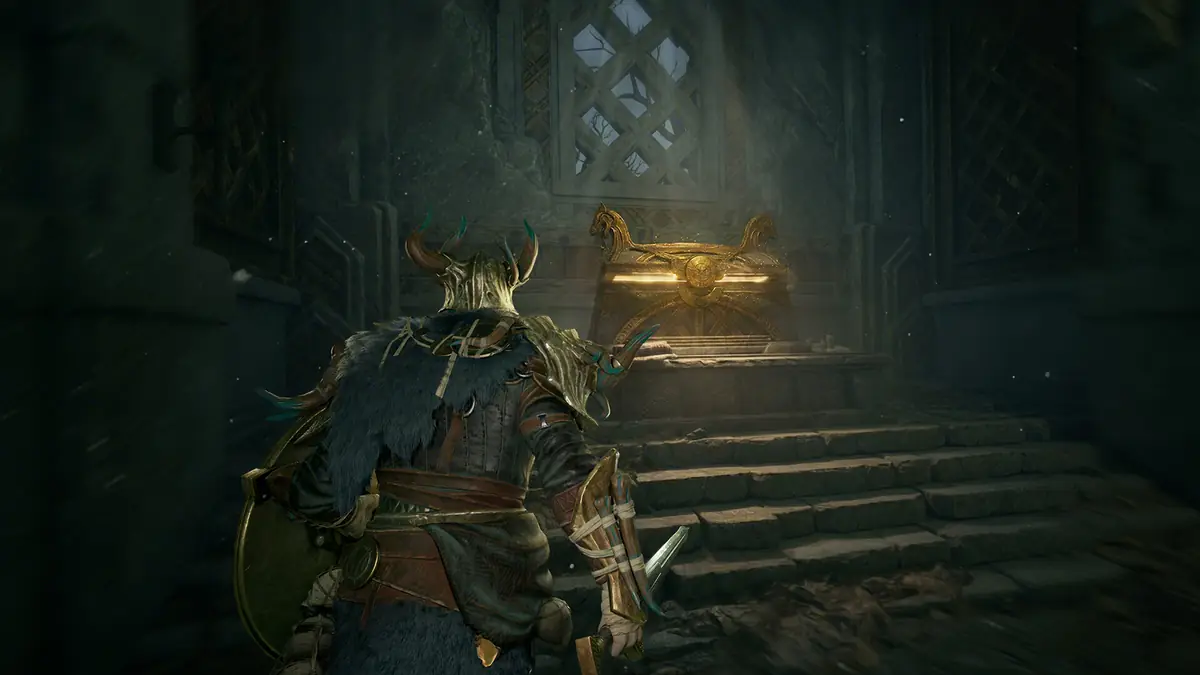
Choose a class by the boss job, not a guessed tier
The phrase-match query best class to solo bosses is useful for structure, but it should not turn this page into a second tier list. Start with the job your boss attempt needs. Seeker is a sensible information and repositioning starting point for a solo player who wants to learn the room. Vanguard is easier to explain when the plan is direct space control. Arcanist can create a prepared burst window when a group can protect the reset. Warden is more valuable when a trio needs stability and recovery. Those are role-fit suggestions, not official damage rankings.
Use the class page and the tier list for broader comparisons, then return here to set the boss-specific failure condition. If the issue is never seeing the pattern, improve scouting. If the issue is losing the route home, improve spacing and recovery. If the issue is a missed burst window, simplify the call. A new page should help you change the next run, not encourage a blind class swap.
Compare Mistfall Hunter class jobsRead the role-fit tier list with its evidence limitsTurn a boss job into a practical build pattern
How this boss guide stays current
Boss information is time-sensitive. When a first-party announcement, patch note, store description, or repeatable public test adds a verifiable roster entry or mechanic, update the specific claim with the source URL, date, version, mode, and test condition. Do not silently replace an uncertainty statement with a confident number. If a community source is the only place that reports a mechanic, label it as community evidence and keep its scope narrow.
The checked source set for this page includes the official Mistfall Hunter website and the Steam App ID 3282300 metadata/store page. Those sources confirm the extraction game context, classes, equipment, solo play, and online co-op; they do not establish a complete boss database. Recheck the page after a meaningful encounter, mode, or queue update rather than refreshing every date without new evidence.
Check the dated roadmap and update statusRead the site's source and independence note
Mistfall Hunter bosses FAQ
How many bosses are in Mistfall Hunter?
The first-party sources checked on 13 October 2026 do not publish a complete, dated boss roster. Use a named boss list only when its source, game version, mode, and last verification are visible; this page does not invent a count.
Do Mistfall Hunter bosses scale with the number of players?
No official scaling formula was found. Compare repeated solo and trio runs while holding route, difficulty, role, loadout, and patch date as constant as possible, then label the result as an observation rather than an official rule.
What is the best class for solo Mistfall Hunter bosses?
There is no verified universal winner. Seeker is a practical information-first start, Vanguard suits direct space control, and Arcanist is conditional on a protected burst and reset. Choose the class whose failure you can diagnose, then test it across several runs.
Should a trio split up during a boss attempt?
Usually keep the group close enough to hear the retreat call and far enough apart that one mistake does not remove every option. Assign a caller, pressure job, and recovery or rear-check job before contact; do not split just to chase an unverified extra reward.
Where should I find a Mistfall Hunter boss map or drop table?
Community databases and videos may provide leads, but the checked first-party sources do not publish a complete boss map or drop table. Verify the source date and mode, and treat community markers as observations rather than guarantees.
Is this an official Mistfall Hunter boss guide?
No. It is an independent guide. Official Steam and publisher sources are used for the game's public extraction, solo, co-op, and equipment context; role advice and controlled-test methods are editorial guidance.
The boss rule that protects the run
Prepare a job, keep a reset, test one variable, and extract when the reward is already worth the risk. Mistfall Hunter's public sources confirm the extraction ARPG framework and solo or online co-op play, but they do not yet provide a complete official boss database or scaling formula. Keep those limits visible, record your own conditions, and update a specific claim only when dated evidence changes it.
Official sources and editorial limits
The official Mistfall Hunter site and Steam App ID 3282300 metadata/store page were checked on 13 October 2026. They support the extraction ARPG, skills, talents, gear, solo play, and online co-op context. They do not publish the complete boss roster, exact HP, drop rates, or a player-count scaling formula used by this guide. The feature image is an independent editorial concept; the two in-body images are official Steam Store media.